CAN/CSA-C22.2 No.0.4
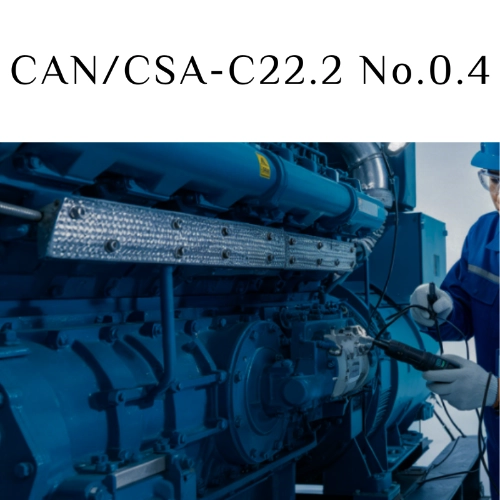
CAN/CSA-C22.2 No.0.4, Bonding of Electrical Equipment, is a dedicated fundamental standard for protective bonding/equipotential bonding under Canadian Electrical Code Part II, aligned with CSA C22.2 No.0 (General Requirements) CSA Group.Core Purpose: It unifies design, construction, material, connection and test requirements for protective bonding of electrical equipment, ensuring exposed conductive parts are reliably earthed to eliminate electric shock hazards from leakage current. It is the sole dedicated compliance criterion for grounding systems in CSA/C-US certifications CSA Group.
Main coverage risks and testing items:
- Electric shock prevention (core): Risk of contact shock from energized enclosures due to insulation failure;
- Ground-fault fire: Overheating/arc fire from poor bonding connections;
- Equipotential imbalance: Leakage and interference from potential differences between metal partsCSA Group.
Project Details
Applies to all electrical equipment requiring protective bonding and installed per Canadian Electrical Code (CEC) Part I/II; high-frequency scenarios:
- Metal-cased household appliances: ACs, refrigerators, washers, ovens, water heaters
- Industrial equipment: Control panels, PLCs, inverters, servo drives, LV distribution boards
- Power & lighting: Metal-cased adapters, transformers, LED high-bay lights, metal luminaires
- Power tools: Metal-cased drills, grinders, saws (Class I tools)
- New energy equipment: EV chargers, PCS, battery cabinets, PV inverters
- Others: Medical electrical equipment, commercial kitchen appliances, HVAC, permanently connected/cord-connected electrical machinesCSA Group
Main Test & Verification Items
- Bonding continuity test:Resistance measurement between exposed conductive parts and protective earth terminal (limit ≤0.1Ω typically) for a low-impedance path CSA Group.
- Bonding impedance test:AC/DC testing (DC option for DC-only products) to verify fault current discharge capability CSA Group.
- Mechanical strength verification:Tightness, anti-loosening, and corrosion resistance of bonding points (screws, terminals, crimps) CSA Group.
- Material & construction review:Compliance of bonding conductor/terminal material (copper/tinned copper), cross-section, and connection method (weld/crimp/bolt) CSA Group.
- Temperature rise & fault test:Temperature rise limits at bonding points under ground fault; no overheating, arcing, or erosion CSA Group.
- Marking verification:Compliance review of bonding symbol (⏚), terminal marking, and green-yellow wire identification CSA Group.